

THE BLOG
Ship Happens. We talk about it.
Recent Posts

Back at the Dock: A Driver Wait Time Update
There hasn’t been a lot of talk about driver wait time lately, so does that mean it’s no longer an issue? Sadly, no. It hasn’t gotten much better since the last time I wrote about this in Jan 2025, it’s just dropped down the priority list in this current trucking hellscape we’re all dealing with. Are drivers still concerned about wait time? Yes, but they’re more concerned about several other issues that have gotten a lot louder in the last 18 months. So let’s revisit trucking wait time: how the numbers have changed, what governments have done to try and deal with it, what tech could do to help, and what concerns are trumping this very costly issue.

I Sold My Car to Fund My Brokerage, and I'm Not the Only One
I'll admit that for years I read funding announcements and assumed I'd missed some memo about how real founders get started, and I have a feeling a lot of women founders can relate. So I want to talk about money: how businesses in logistics actually get funded, why so little venture capital ever reaches women, and what the rest of us have been doing instead.
I started my brokerage in 2016, and I was lucky enough to have two silent partners support me for the first little while. Even with their help, I blew through both of my credit cards and a line of credit, and eventually I sold my car to make it all work.

Who’s Data is it Anyway?
Let's talk about your data, and whether you truly, fully own it. As technology advances we keep signing on to more and more SaaS products that have access to what we do, and I'm not just talking about work. Social media knows so much about me that it can tell when I need to get my hair done, and right on cue the inspo pics start showing up in my Pinterest feed. That one's a fair trade at least, we hand the platform our data and in exchange we get entertainment, information, and connection to other people. But the tools you run your business on are a different conversation, because when you sign on with a logistics SaaS company, what is actually happening to your data? Let's talk about the tech that carriers, brokers, and shippers are using every day, and what's happening to the abundance of data all of it is producing.

Hot Topics from CoCreate by Alibaba.com
Last week I had the privilege of attending my second CoCreate by Alibaba.com, and this time I was invited to be on a panel called "The Female Founder Meetup: Scaling Brands, Capital, and Community." Thank you to everyone who came out, because I might be biased, but we had a sharp, engaged audience that made the whole thing better than I ever thought it could be.
During my two days of hallway chats, coffee meet-ups, and after-panel discussions, I noticed the same topics kept coming up. So here are the eleven hottest topics.

The Idea That Won’t Go Away
Some of the best people I know in the industry just took the plunge into being founders, and I could not be happier about it.
Four of them, people I have watched operate for a while now and respect enormously, left comfortable, familiar setups to do it together. From the outside that may look reckless. From the inside it is the most obvious thing in the world, and I know that because I have been on the inside of it myself. Ship Happens started the same way, as an idea I could not talk myself out of no matter how sensible I tried to be.

Everything About Vanilla Is Harder Than It Should Be
So not a lot of my professional network knows this but I really enjoy baking but with the lifestyle I lead as a digital nomad, that’s a hard hobby to regularly enjoy. So whenever I have a place with an oven and the basics I need to create a sweet treat, I indulge myself. But some ingredients are harder to find than others, butter, eggs, sugar, flour, no problem but vanilla? Like real vanilla? That is a challenge, and that is what this post is all about. What is vanilla, where does it come from, how does it get to store shelves and what should buyers and consumers know when purchasing this unique and frankly under-rated flavour ingredient.
What Beginners Should Know About Shipping Temperature Sensitive Freight
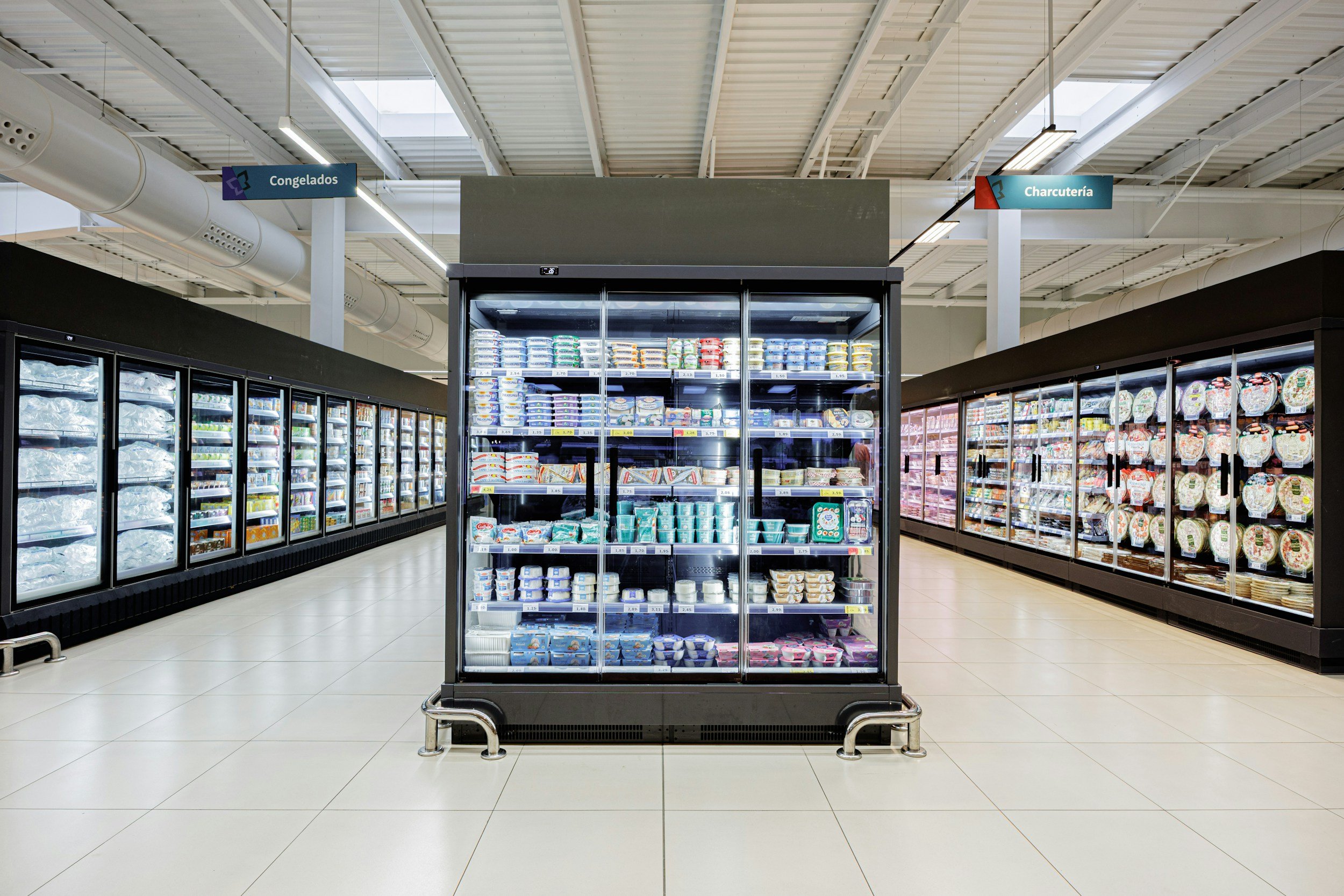
Cold chain is one of those phrases that sounds fancier than it is. Strip away the jargon and it just means keeping a product inside the temperature range it needs from the second it leaves the shipper to the second it lands at its destination, with no changes in between. The moment it’s broken by getting too warm (or too cold), the product can be compromised whether it still looks fine or not.
The tricky part for smaller shippers is that everything cold is not the same cold. Frozen goods ship at -18°C or lower, chilled products like dairy and a lot of pharma live in the 2–8°C window, and some things just need to stay "cool" and stable in the 15–25°C range. Get the range wrong, let it drift for too long, and you're looking at spoilage, rejected loads, or in some cases products that legally can't be sold.

What Is the First Mile? And Why the Last Mile Always Gets the Spotlight
Everybody in this industry loves to talk about the last mile. It is the one the customer actually sees, the one with the delivery apps and the little truck icon crawling across a map, and the one that gets all kinds of conference panels and attention. The first mile gets almost none of that attention, which is funny to me since it’s where all supply chains start.
The first mile seems to be more difficult to define, depending on who you ask and where they are in the chain. Its truest definition is that it is the very start of everything, raw goods coming out of the source and heading somewhere that turns them into product: produce leaving the field for the packing house, ore coming out of the ground toward the smelter, fish off the boat and into the processing plant, etc.

The $10 Billion Trade That Can't Answer One Question: Who’s Hair is This?
I've never gotten hair extensions, but I came close once. Mid-twenties, a truly brutal haircut, and the hard-won discovery that the bob is not for me. In the end the price tag talked me out of it and I grew out my mistake the slow way. What I know now is that the price was the least interesting question I could have asked about extensions.
Before I go any further, one thing needs to be said. This post is not about shaming anyone who wears extensions or wigs. Hair is personal, it's cultural, and for a lot of people it's non-negotiable. This is about the supply chain behind the product, because it has a traceability problem that would get any other industry dragged, and somehow it barely gets talked about at all.

How to Survive a TMS Demo (Without Buying Something You Don't Need)
If you've been in logistics for longer than about five minutes, you already know the drill. Some rep from a TMS company you've never heard of has found your email, your LinkedIn, and possibly your cell, and they are very excited to book you a fifteen-minute demo that will somehow take an hour and change your life.
Before you cave just to make the follow-ups stop, let's talk about what a TMS actually is, whether you need one, and how to figure out in one call whether the person pitching you is selling something real or just something expensive.
A TMS, transportation management system, is software that pulls the moving parts of your freight into one place instead of spreading them across seventeen browser tabs, three inboxes, and a spreadsheet you're holding together with hope and colour-coding. At its simplest, it helps you rate, book, track, and settle shipments in one spot. The better ones layer on reporting so you can actually see what you're spending and where.

Giant Cargo, Small Gestures: What Breakbulk Taught Me About Empathy
This was my second year at Breakbulk Europe, and that changes what you take away from the experience. Year one in Rotterdam I was a trucking and brokerage person, with 23 years of experience in only North America, who had never touched project cargo (and I still haven't). I will be honest, I spent most of that first experience in awe of the sheer scale of literally everything. Breakbulk is genuinely cool. The cargo is enormous, the vessels are diverse, and the logistics behind moving something that can't go on a truck or fit in a box are the kind of challenge that makes your brain itch in the best way. When it's all new, the spectacle is most of what you take away, and there's nothing wrong with that.

Marketing and Supply Chain Collaboration: Why These Teams Need to Talk
Marketing and supply chain teams need to work together because one side makes the promise and the other side has to keep it. When they share data on inventory, demand, and shipping in real time, you get fewer stockouts, fewer broken delivery dates, and a customer experience that holds together when something goes sideways. When they don't, the customer is the first one to notice.
In most companies, though, these two teams operate like they've never actually met. Marketing runs a promotion on an item the warehouse ran out of last week, and nobody connects the dots until the complaints start rolling in. Breaking down that wall is the difference between a business that runs smoothly and one that spends its days cleaning up messes it created itself. Here's where the collaboration earns its keep.

Logistics Burnout Is Real. Here's How I Keep Mine in Check.
Burnout is practically built into logistics. Between managing clients, wrangling carriers, tracking down elusive paperwork and putting out fires you didn't start, the stress just keeps coming, and most of us treat it like part of the job. It doesn't have to be. The thing that's actually kept me sane isn't working less or caring less, it's a handful of specific habits that stop the stress from piling up. Here's what I've adopted to keep my cortisol low and my head clear, even on the days the freight gods are testing me.

Death by a Thousand Cuts… to Your Invoice
Big buyers have a whole playbook for paying their suppliers less than they actually owe. The three most common tactics: invoice short pays (paying slightly less than the invoiced amount, usually by amounts too small to dispute), payment delays (slow-walking remittances past agreed terms), and unilateral deductions (chargebacks and fees the supplier never agreed to). None of it is technically illegal. All of it adds up. Here's how the squeeze works, why it keeps working, and what suppliers can actually do about it.
Picture an invoice for $4,800 and the remittance comes back at $4,799.83. Seventeen cents short. You notice it, sort of, but you'd have to pull the original purchase order, match it against the remittance, draft an email, follow up twice, and maybe escalate it before anyone replies.

The Need for RTO is a Management Problem, Not a Productivity One
Let's talk about return-to-office, because the headlines have been hard to miss and the takes have been…something.
By Q2 2025, JLL reported 54% of Fortune 100 employees were under five-day office mandates, up from 11% the year before. Heading into 2026, Instagram pulled US staff back to the office five days a week, Microsoft tightened to three days, and NBCUniversal moved to four (with a voluntary severance package for anyone who didn't like it). And those are just the names you've heard of. Some of the largest freight brokerages in North America are doing the same thing, quietly or otherwise.
I've run a brokerage remotely since 2016 and I've been a full-time digital nomad since 2022. I've worked from twelve countries in the last few years and the freight has continued to move, the customers have continued to get serviced, and the carriers have continued to get paid. So forgive me if I'm not buying the productivity argument.
What Is the Jones Act Even Protecting Anymore?
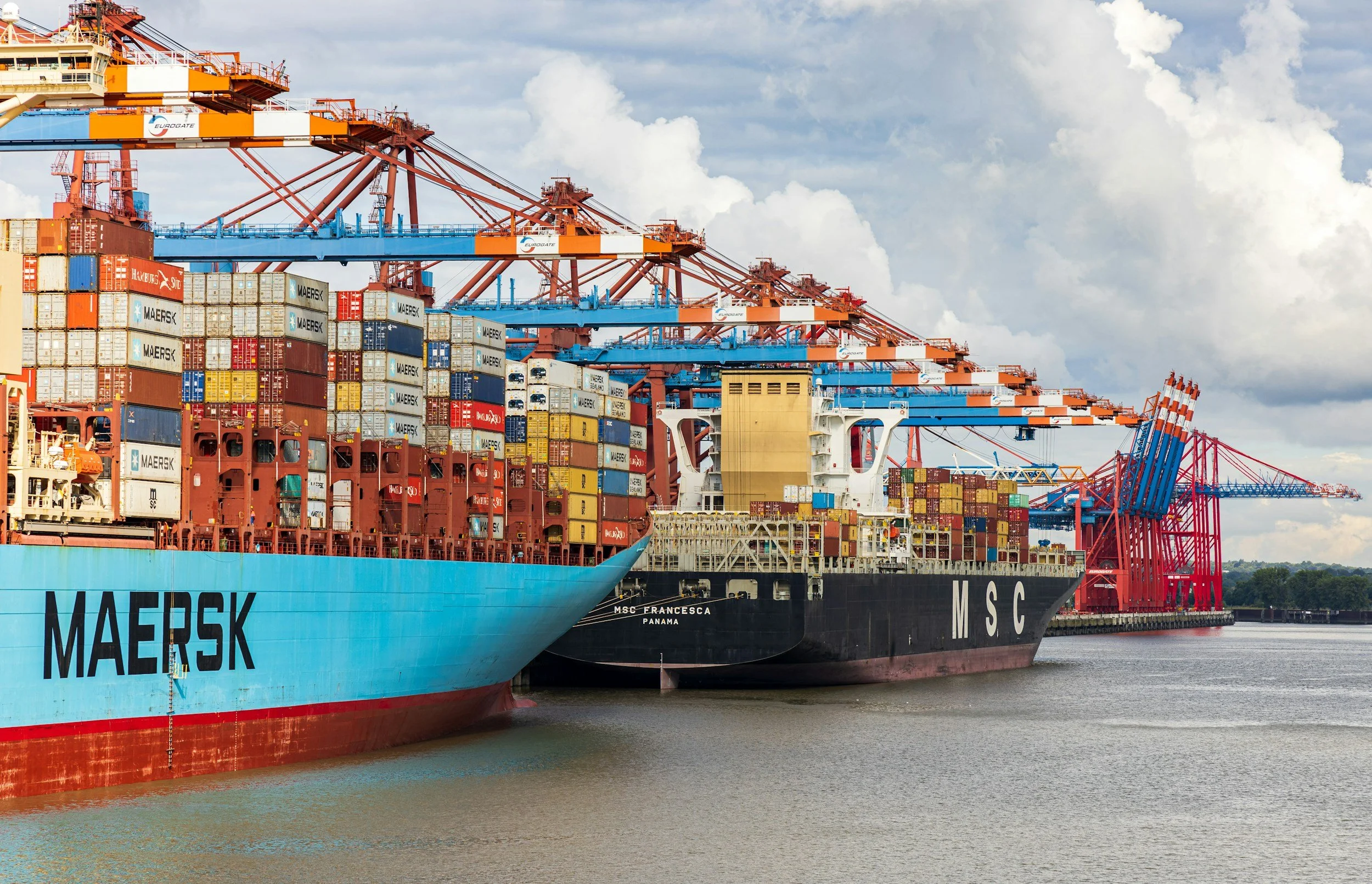
Last week, the US Administration extended the Jones Act waiver another 90 days. And it barely seems to have registered. And even in logistics, the industry that should care most, the reaction was kind of just a collective shrug.
Which is strange, because this is one of the messiest, most-nuanced shipping stories of the year, and the reason it's messy has almost nothing to do with the waiver itself. It has to do with about a hundred years of decision-making that got us here.

Ghost Ships, Real Consequences
There's a whole shadow world operating underneath legitimate global shipping, and it's bigger than most people realize.
The dark fleet (also called the shadow fleet) is a loose network of oil tankers that move sanctioned crude around the world, specifically designed to get around Western trade restrictions. It's not a coordinated cartel with a headquarters somewhere. It's more like a swarm, hundreds of vessels operating under a shared logic: move oil that isn't supposed to move, and don't get caught. Or the IMO definition is vessels engaging in illegal operations to circumvent sanctions, evade safety/environmental regulations, or bypass insurance costs, typically using deceptive tactics

Procedure Exhaustion Is Real (And It's Probably Your Fault)
There's a scene in Hitchhiker's Guide to the Galaxy where our heroes land on a planet run by the Vogons, a species so obsessed with bureaucracy that nothing gets done without the right form, stamped in triplicate, submitted to the right department, possibly recited as poetry. It's supposed to be a joke, but every time I rewatch it, I think this is just a Tuesday working in supply chain.
We've all worked with a company like this. Maybe you're working at one right now. Maybe, and I say this with kindness, you're running one.
Here's the uncomfortable truth: most bloated workflows weren't designed. They were accumulated. No one is sitting down and building a 14-step purchase order approval process on purpose. Out of control SOPs (Standard Operating Procedure) grow one CYA (cover your ass) step at a time. Someone got burned on a shipment in 2018, so we added a checkbox. Someone else got yelled at by a customer in 2021, so we added an approval. A rogue invoice slipped through in 2023, so now finance signs off too. Five years later, booking a shipment takes longer than driving the truck to the delivery.
This is procedure exhaustion, and it's quietly killing your team's ability to actually do their jobs.

Constant Tech Upgrades Aren't Free…Even When They Are
You spent weeks learning a new TMS. Watched the tutorials, fumbled through the onboarding, bothered your rep twice, and then finally, you figured it out. You actually got it. You built the workflow, you knew where everything lived, and for about four months you feel like you have your operations in order and working how you want it.
Then an update comes along with a new interface. Now, half your shortcuts are gone. There's a "smart" feature that replaced the one you actually understood, and apparently there's a whole new AI layer you're supposed to be using now.
Welcome to tech churn. Population: everyone, but nobody's talking about it.

Panic-Ordering Is Not a Supply Chain Strategy
Most SMBs don't have a demand planning problem. They have a "winging it" problem dressed up as one. You already know your patterns; busy seasons, slow months, which supplier always runs late. You just haven't written any of it down, and that gap is costing you more than you think.
Here's the thing nobody tells SMBs: demand planning isn't a corporate concept that requires a six-figure software subscription and a dedicated analyst. It's just predicting what you'll need before you need it, and building a simple system so that you stop getting caught off guard.
You're already doing it. You're just doing it without a process, and that gap is likely costing you money and time.